

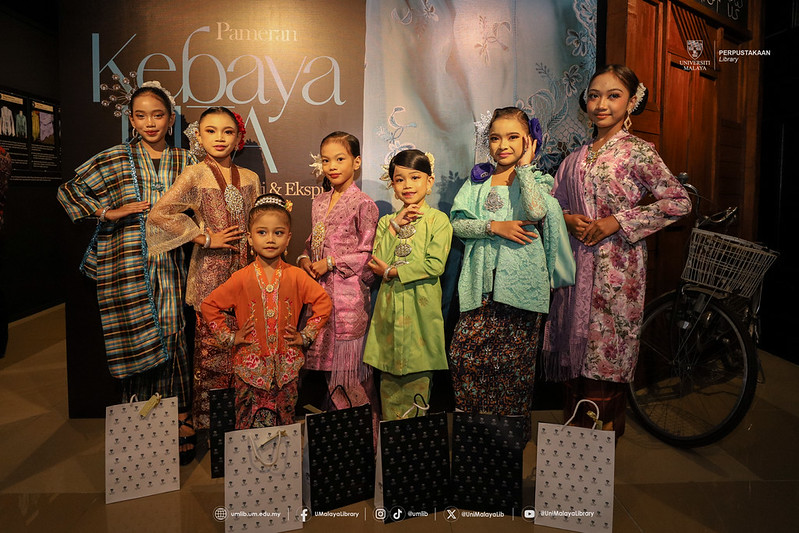
For the year 2026, the Museum of Asian Art, Universiti Malaya, presents for the first time Kebaya KITA: Antara Ceritera, Identiti & Ekspresi — an exhibition that explores the journey of the kebaya as a cultural heritage that continues to evolve across time, communities and generations.
More than a celebration of its beauty and diversity, the exhibition explores the kebaya through its history, identity, lived experiences and its enduring relationship with the communities that wear it.
The exhibition was inspired by the inscription of the kebaya on UNESCO’s Representative List of the Intangible Cultural Heritage of Humanity in 2024.
This recognition resulted from a joint nomination by Malaysia, Brunei Darussalam, Singapore, Indonesia and Thailand, reflecting the kebaya as a shared regional cultural heritage.
According to the Ministry of Tourism, Arts and Culture Malaysia (MOTAC), this joint nomination also represents the historical connections, cultural exchanges and mutual understanding that have long existed among communities across Southeast Asia.
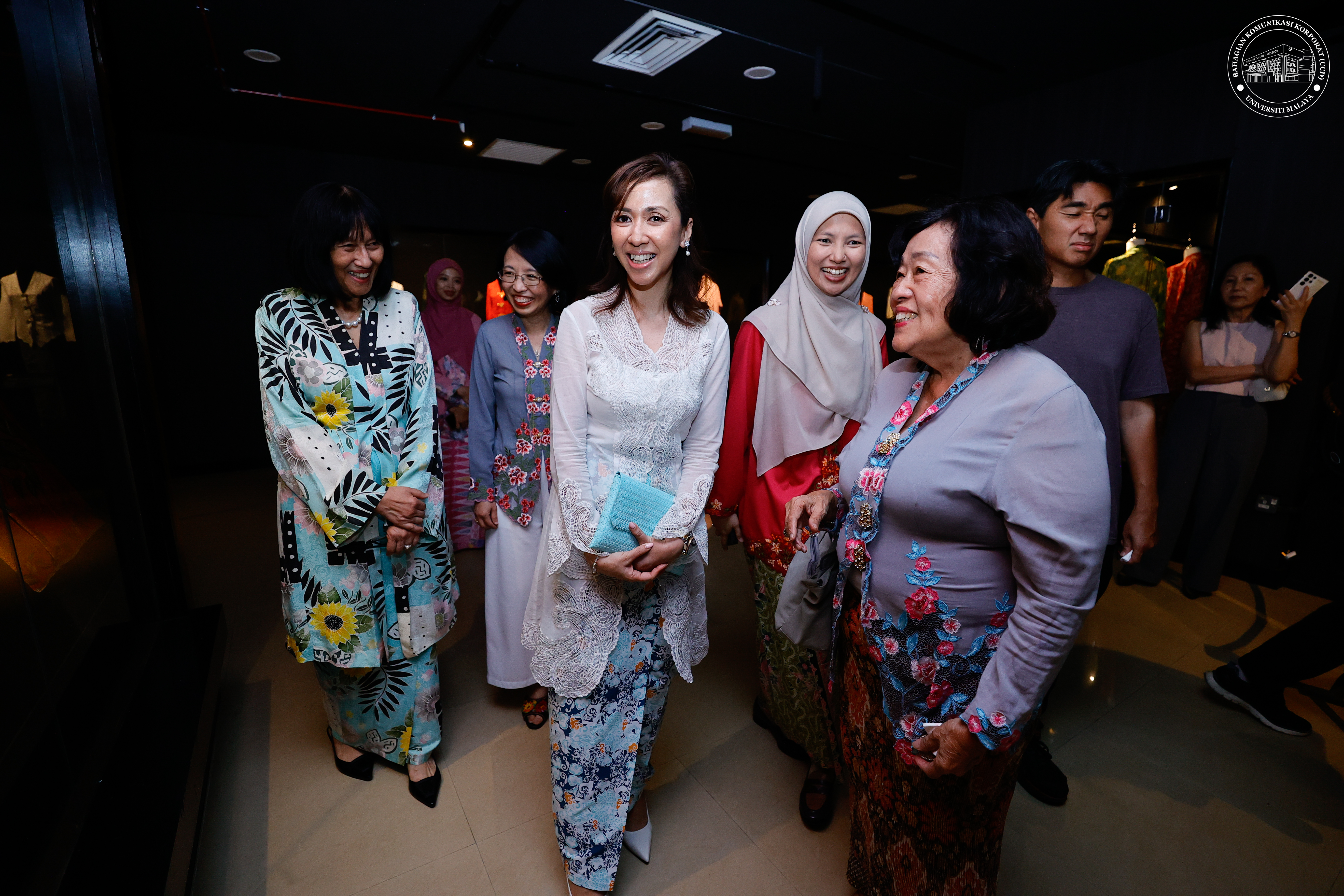
The official opening of Kebaya KITA: Antara Ceritera, Identiti & Ekspresi was held on 19 June 2026 and officiated by Her Royal Highness Tengku Datin Paduka Setia Zatashah binti Sultan Sharafuddin Idris Shah.
The ceremony was attended by distinguished guests, representatives of institutions and agencies, collaborators, collection lenders, arts and heritage practitioners, as well as members of the public.
Unlike exhibitions that primarily focus on the visual beauty of the kebaya, Kebaya KITA places the garment within a broader cultural context — as a medium that records identity, experience and collective memory.
At the heart of the exhibition is the Ceritera Segment, which brings together oral and visual documentation from eight individuals of diverse backgrounds.
The contributors include:
Each individual shares a personal experience and unique connection with the kebaya, revealing how this heritage continues to live, evolve and remain meaningful within contemporary society.
Through these stories, visitors are invited to see the kebaya not simply as an item of clothing, but as something deeply connected to memory, identity and personal experience.
The exhibition takes visitors through three key aspects of the kebaya:
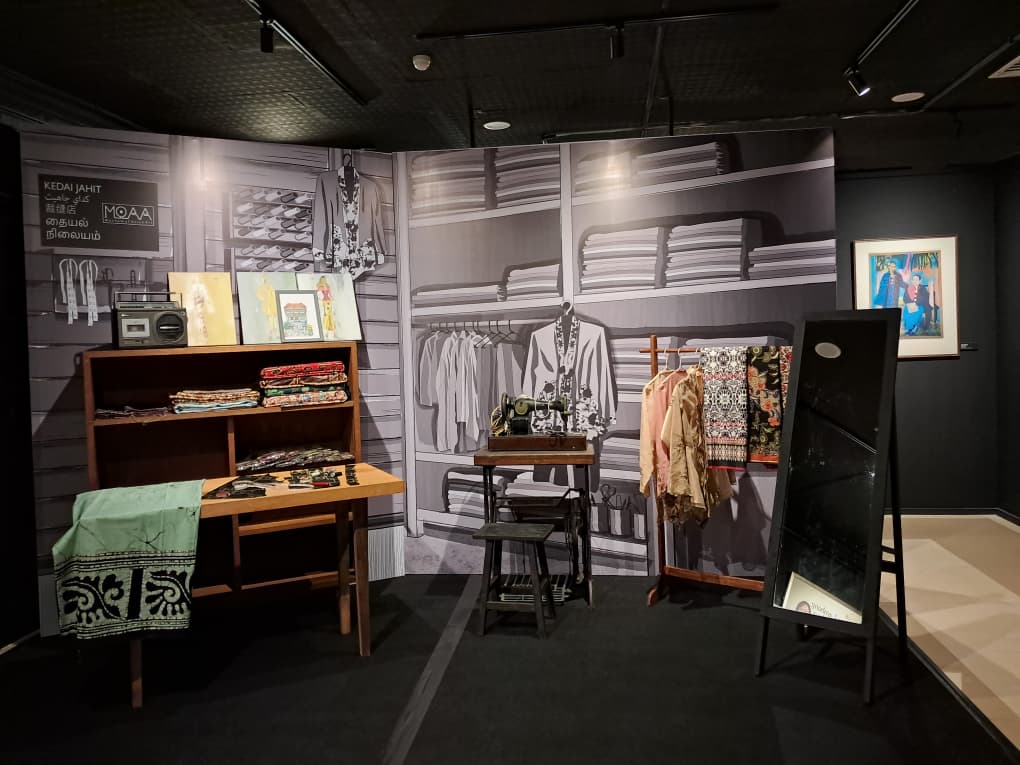
Discover the evolution of kebaya forms, silhouettes and materials across different periods and communities.
Explore the many ways the kebaya has been worn — from everyday life and cultural occasions to professional and formal settings.
Experience how contemporary designers and the present generation continue to reinterpret the kebaya, giving this heritage new forms, meanings and relevance.
The exhibition was made possible through close collaboration with Puan Wong Mee Fong, the principal collaborator of the exhibition.
In addition to sharing her collection of vintage kebaya, she contributed her expertise and experience as a researcher and advocate of Peranakan heritage.
The exhibition also received valuable support from various individuals and institutions, including:
Their contributions have helped to strengthen the historical and cultural narratives presented throughout the exhibition.
The exhibition is further enriched through loans from collectors and local fashion designers, bringing together a diverse range of collections, accessories and interpretations of the kebaya.
Among the contributors are:
Together, these contributions allow the exhibition to present the kebaya from multiple perspectives — historical, cultural, communal and contemporary.
Through Kebaya KITA, the Museum of Asian Art hopes that visitors will not only appreciate the beauty of kebaya embroidery, the intricacy of its craftsmanship and its aesthetic qualities.
More importantly, the exhibition invites visitors to look beyond the garment itself — to discover the stories, identities, memories and lived experiences embodied within every piece.
Because the kebaya is more than a garment. It is a story that is worn and passed down from one generation to the next.
.jpeg)

.jpeg)


Last Update: 26/08/2026